

How I Avoid AI Crochet Patterns When Shopping Online
AI crochet patterns are becoming harder to spot, but there are still ways to protect yourself when shopping online. I’m sharing the things I personally look for, from seller ratings and reviews to Etsy filters and those telltale stitches that just don’t make sense.
AI-generated crochet patterns and images are becoming increasingly common online, and unfortunately they're also getting better.
Some are still easy to spot. You look at the picture and immediately know something isn't right. Others can fool you until you zoom in and really examine the crochet.
And it isn't only about fake pictures. There are also patterns being sold that may never have been crocheted or tested by an actual person. That can leave the buyer with instructions that don't work, impossible stitch counts, or a finished project that could never look like the picture used to sell it.
I've been crocheting for more than 30 years, and even with that much experience, I can't always tell immediately whether something is legitimate.
So instead of relying on my ability to recognize an AI image, I've developed some rules for how I shop for crochet patterns.
🧶 Yarniss Large Ergonomic Crochet Hooks
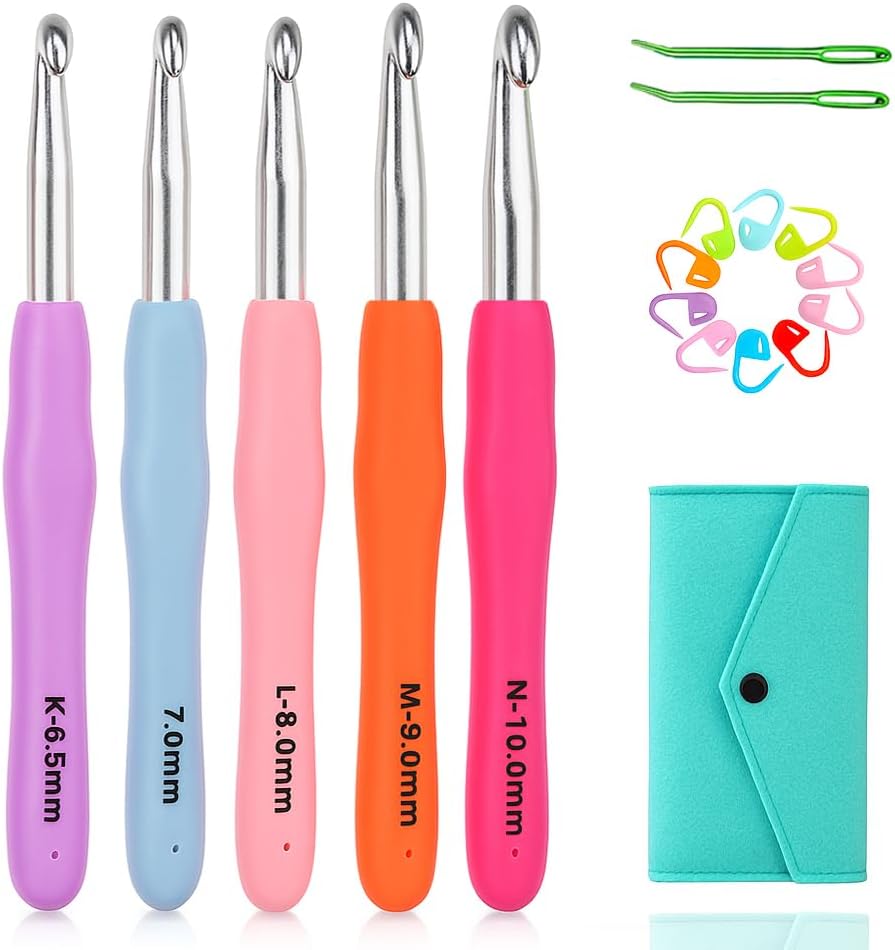
Nice ergonomic set of crochet hooks for comfortable crocheting
View hooksI Start With the Seller
Before I fall in love with the pattern, I look at who's selling it.
On Etsy, my personal rule is that I generally don't buy from a seller with less than a 4.8 rating, and I want them to have at least 200 reviews behind that rating.
A 5-star rating from 12 customers doesn't tell me nearly as much as a 4.8 or 4.9 rating from hundreds or thousands of customers.
There are exceptions to my rule.
If I've used one of the designer's free patterns, participated in one of their crochet-alongs, or otherwise know their work and know that they're creating legitimate crochet patterns, I don't need those 200 reviews.
And I want to be very clear about something: a new designer with only a handful of reviews isn't automatically selling AI patterns. Every legitimate designer started with zero sales and zero reviews.
I'm simply deciding how much evidence I personally need before spending my money with a seller I don't know.
I also read the reviews instead of looking only at the number. Reviews with pictures are especially helpful because I can see projects other customers have actually made from the pattern.
💡 Herrschners LED Standing Lamp Magnifier

A bright LED standing lamp with a 3X magnifying lens and adjustable neck — perfect for reducing eye strain while crocheting or working on detailed projects.
View ProductUse Etsy's Star Seller Filter
One of the easiest ways I've found to narrow an Etsy search is something that's already built into Etsy.
Open the search filters and look for Star Seller.
Etsy awards Star Seller status to shops that meet its current requirements in areas such as customer service, reviews, sales and order fulfillment.
When I'm searching for patterns, limiting my results to Star Sellers weeds out a lot of the questionable shops.
It doesn't guarantee that every pattern in those results is legitimate, and not having Star Seller status certainly doesn't mean a designer is doing anything wrong.
Think of it as one more filter rather than a guarantee.
When Etsy gives me hundreds of results, it's a very easy way to narrow down where I want to start looking.
🧶 Premier Basix Yarn

A soft, dependable acrylic yarn that’s perfect for everyday projects. Great stitch definition, easy care, and available in a huge range of colors.
View ProductThen I Look at the Actual Crochet
This is probably the biggest thing I've learned as AI images have become more common:
Don't look at the blanket. Look at the stitches.
AI is very good at making something that gives the overall impression of crochet.
From a distance, you see a gorgeous blanket, sweater or amigurumi and your brain immediately recognizes it as crochet.
Zoom in.
Can you identify the stitches?
Can you follow the rows?
Do the stitches connect in a way that would actually be possible with yarn and a crochet hook?
Do some stitches suddenly change shape, disappear or melt into one another?
Do complicated details appear without any logical stitch structure creating them?
Real crochet has rules. Every stitch has to be made somewhere.
AI doesn't have to understand how the project was constructed. It only has to create pixels that convince us we're looking at crochet.
The more you crochet, the more useful your own experience becomes here. You know what yarn does. You know what stitches look like. If something doesn't make sense, take a closer look.
🧶 Premier Basix Worsted Multi – Merry Multi

Bright, cheerful, and perfect for holiday projects. This soft acrylic yarn in Merry Multi brings fun seasonal color to blankets, scarves, and décor.
View ProductLook at the Whole Shop, Not Just One Picture
If I'm still unsure, I start looking for the bigger picture.
Does this designer have customer project photos?
Do I see tester photos?
Are there different photographs of the same project?
Does the shop have a history of designs with a reasonably consistent style?
Can I find the designer elsewhere online?
Do they offer free patterns, tutorials or crochet-alongs?
None of these things is mandatory. A perfectly legitimate designer might not use social media or have a tester team.
I'm simply looking for evidence that there is an actual crochet designer behind the shop and that real people are making the patterns.
Price can be another clue when it's combined with other things.
I've noticed that some questionable shops are relatively new, have very few sales or reviews, yet already have large numbers of elaborate patterns with incredibly polished images, often priced extremely cheaply.
A cheap pattern isn't proof of AI.
A new shop isn't proof of AI.
A beautiful photograph isn't proof of AI.
But when several things don't quite add up, I move on.
I don't have to prove the seller did anything wrong. I just have to decide whether I want to buy from them.
🎄 Herrschners Peppermint Pines Afghan Kit

A cozy Christmas-themed afghan kit featuring candy cane and tree motifs. Includes Herrschners yarn, instructions, and a storage bag — perfect for festive stitching.
View ProductBe Careful With AI-Enhanced Photos, Too
There's also a gray area between a completely fake AI image and a normal photograph.
AI tools can change backgrounds, colors and details or make an actual crocheted project look dramatically different.
I don't have a problem with someone cropping a photo, adjusting the lighting or removing a distracting background.
What matters to me is whether the picture still honestly represents the crochet pattern being sold.
If AI enhancement changes the stitches, adds details that aren't actually in the project, or makes the finished piece look substantially different from what I'll be able to crochet, that's misleading.
I'm buying the pattern partly because of what you've shown me I can make.
🪵 Herrschners Rocking Footstool with Storage

A cozy, padded wooden footstool that rocks gently while you crochet or relax. The cushioned top lifts to reveal hidden storage for your hooks, notions, or yarn.
View ProductWhat About Ravelry?
I know some crocheters love Ravelry, particularly because they like having their patterns in one place.
I’m not one of them.
I find Ravelry annoying because I'll sometimes find a pattern I'm interested in, click on it, and discover that it's no longer available or that I have to go somewhere else to purchase it anyway.
I prefer keeping control of my own pattern library.
I use cloud storage such as Google Drive to save the patterns I buy. That way it doesn't matter whether I purchased a pattern on Etsy, directly from a designer's website or somewhere else.
Everything can still be in one place.
I can make folders for mosaic, C2C, baby blankets, Christmas, favorite designers, patterns I want to make someday, or whatever organization makes sense to me.
I'm not dependent on the marketplace where I originally bought the pattern to keep my collection organized.
If Ravelry works for you, great. It just isn't necessary if the main reason you're using it is to keep your patterns together.
💜 Furls Afterparty Streamline Metal Hook

A limited-edition Streamline Metal hook dressed in shimmering violet. Smooth, balanced, and crafted for comfort — perfect for adding sparkle to your crochet time.
View ProductWe're Going to Have to Become Smarter Shoppers
I don't think AI-generated crochet is going away.
In fact, I expect it will become harder to identify from the photograph alone.
That's why I don't think there's one magic trick for spotting an AI crochet pattern.
I look at the seller's history and reviews. I use Etsy's Star Seller filter. I zoom in and examine the actual stitches. I look for evidence that people have made the pattern. And if several things about a shop make me uncomfortable, I simply buy something else.
Most importantly, I don't accuse a designer of using AI because they're new, inexpensive, or don't meet one of my personal shopping rules.
These are shopping guidelines, not proof that someone has done something wrong.
There are plenty of talented, legitimate crochet designers creating and testing real patterns, including new designers who haven't had time to build hundreds of reviews yet.
And when I find designers whose work I trust, I remember them.
Because at the end of the day, when I spend money on a crochet pattern, I'm not just buying a pretty picture.
I'm buying instructions that I expect to actually work.

MJ's Off The Hook Designs
MJ's Off The Hook Designs is a crochet designer I personally trust and recommend. I've used her patterns myself and found them to be well written and easy to follow. This is a real crochet designer behind the patterns, and help is available if you have questions along the way.
Visit MJ's Etsy Shop
Heart Hook Home
Heart Hook Home offers a huge variety of crochet patterns, including sweaters and cardigans, blankets, shawls, bags, accessories, home decor and even patterns for your pets. If you enjoy making wearable projects, there are especially lots of options here for both everyday pieces and seasonal designs.
Visit Heart Hook Home's Etsy Shop
AsyoshDigital
AsyoshDigital is a fun shop to browse if you're looking for smaller crochet projects. You'll find patterns for coasters, bookmarks, bandanas, granny squares, flowers, keychains and other accessories, along with seasonal designs for Halloween, Christmas and more. The shop also offers sewing patterns if you like to switch between crafts.
Visit AsyoshDigital on Etsy
The Velvet Acorn
The Velvet Acorn is a beautiful shop filled with both knit and crochet patterns for the whole family. You'll find cozy hats, sweaters, cardigans, capes, scarves and more, with designs for babies and children as well as adults. Her patterns have a wonderfully classic, cozy style with lots of beautiful details, and there are plenty of designs here that immediately make you want to grab some yarn and start a new project!
Visit The Velvet Acorn on Etsy
The POWER of Feedback
With so many fake patterns and AI-generated junk flooding the internet, honest feedback has never mattered more. Your reviews protect fellow crocheters, support legit designers, and help keep the community strong. Whether a pattern was perfect or just needed a little clarification, your voice makes a real impact. Let’s talk about the power of feedback, and why it counts now more than ever.
Let’s Talk About Feedback: Why Your Reviews Matter More Than Ever
There’s something I’ve been meaning to say for a while now, and I hope you’ll stick with me because it’s important. If you’ve ever downloaded a pattern, bought a crochet book, or tried a new design you found online, then this message is for you.
We are living in a time when AI and self-publishing have exploded. Some of it is amazing. The tools available to creatives today are like nothing we’ve seen before. But not everything coming out of this boom is good. In fact, some of it is straight-up dishonest.
Fake books. Fake patterns. Fake photos. All of it made to look real and polished, but it’s a scam, and unfortunately, a growing one.

Big Book of Scarves — 33 patterns to wrap yourself in cozy creativity!
Get it on AmazonAnd hey, if you love it (or even just mildly enjoyed it), leave a review! It helps more than yelling into a yarn bin.
Take a look at Amazon. You’ll find books with gorgeous covers and photos that draw you in. But scroll down to the reviews, and you’ll often see the truth. Buyers saying the interior doesn’t match the cover, the patterns don’t exist, or it’s a jumble of unrelated content thrown together to look legit. And it’s not just happening with books. It’s happening across the crochet world.
That’s where you come in. Feedback isn’t just a place to say what you liked or didn’t like. It’s one of the most powerful tools we have as a community. Your honest review could be the reason another crocheter avoids getting scammed. It could also be the reason a hard-working, legitimate designer (like me and so many others) gets discovered by someone who’s just starting out.
We already know leaving a review is helpful to the designer. What we sometimes forget is how much it helps our fellow crocheters too. Think about how many times you’ve checked reviews before buying something. That little nudge, whether it’s a thumbs-up or a word of caution, can make all the difference.
I know it can feel like a hassle to go back and leave a review. You’ve already made the project or downloaded the pattern. But even just a few words can help someone else make an informed choice.

Letter Afghans for Kids — 26 playful alphabet patterns for the little ones in your life!
Get it on AmazonBought it? Loved it? Didn’t throw it across the room? Go ahead and leave a review, your fellow yarn nerds will thank you!
Legit designers pour hours (and sometimes months) into their work. We test our patterns, write clear instructions, and try our best to give you something beautiful and functional. When those efforts are drowned out by a flood of copycats and fakes, it’s disheartening, and it’s hard to compete.
So, here’s my ask: if you’ve used a pattern you loved, leave a review. If you bought a book that was garbage, say so. Be kind, but be honest. Your voice matters in this community. Let’s help each other out and keep lifting up the ones who are doing it right.
And if you’ve ever left a review for one of my patterns, a big, heartfelt thank you. You’re helping way more than you know, and I appreciate it more than I can say.

Now let’s talk about the flip side, because not every less-than-great experience means something shady happened. Sometimes, a pattern might not be what you expected. Maybe all the pages didn’t download correctly. Maybe there was a glitch or something just looked confusing. That happens. A quick message to the designer often clears things up.
And yes, even good patterns can occasionally have small errors. Nobody loves running into one, but a tiny mistake doesn’t mean the whole pattern is junk. Designers are usually happy to fix things or clarify instructions. One little hiccup doesn’t deserve a one-star review.
And sometimes, let’s be honest, the buyer just didn’t read the full description before purchasing. If the pattern isn’t what you expected because you didn’t read the details, that’s not on the designer. Leaving a harsh review in that case can really hurt someone’s business unfairly.
So if you run into an issue, reach out. Ask questions. Give the designer a chance to respond before rating their work. Feedback is powerful, but it’s even more powerful when it’s fair and constructive.
Thanks for taking the time to read and we’d love to hear your thoughts as well! In appreciation, please feel free to use promo code FEEDBACK at checkout to get this Fall Leaves Scarf for free!
Herrschners Tree Ornament Stand — a simple, sturdy way to show off crochet ornaments and small handmade pieces.
View the Ornament StandPerfect for seasonal displays, craft room decor, or gifting handmade ornaments year after year.
Affiliate Disclosure
Some of the links on this site are affiliate links. This means that if you click on a link and make a purchase, I may earn a small commission at no additional cost to you. I only promote products and services that I believe will add value to my audience. Thank you for supporting The Crochet Couch—your support helps keep this site running and allows me to continue sharing my love for crochet!

Why Handmade Gifts Mean So Much More
In a world of one-click shopping, handmade gifts slow life down in the best way. Find out why they mean so much more.
There’s something magical about giving, and also receiving, a handmade gift. It’s not just about the item itself. It’s about the time, the thought, and the love that gets tucked into every stitch, knot, or carefully chosen detail.
In a world where everything can be ordered with a few clicks and shipped the same day, handmade gifts stand out. They slow things down in the best way. They say, "I thought about you. I made this just for you." And that’s a feeling no store-bought item can ever match.
The Time Investment Means Everything
The older I get (and I won't say how old lol), the more I realize time is the most valuable thing we have to give. When someone makes a gift by hand, they’re not just giving you an item. They’re giving you hours of their life.
They chose the yarn, the colors, the pattern. They sat down, probably more than once, to work through the stitches, fix the mistakes, and keep going until it was just right. Every handmade gift carries the story of the person who made it, woven right into the fabric.
You can replace money. You can't replace time. And that’s part of what makes handmade gifts so special.
Handmade Gifts Are Truly One-of-a-Kind
No matter how perfect the pattern or how skilled the maker, no two handmade items are exactly the same. There’s always a little quirk, a little signature, something that makes it yours. In fact, in some traditions like Amish quilting, a small mistake is added on purpose to honor the belief that only God creates true perfection
Store-bought gifts are churned out by the thousands. Handmade gifts are personal. They’re tailored to who you are, your favorite colors, your style, your story. Even if someone else tried to recreate it, they couldn’t copy the love that went into making it just for you.
And if you ever receive a handmade project made with black yarn? Congratulations! You are officially loved at a level most people can only dream about. Crocheting with black yarn is no joke... it’s like trying to stitch together a shadow.

The Emotional Connection Runs Deeper
Handmade gifts stick with us in a way store-bought things don’t.
They turn into keepsakes. They hold memories.
You remember who made it, why they made it, and when they gave it to you.
Years from now, you might not remember who bought you that candle set or fancy gadget, but you will remember the person who stayed up late crocheting you a blanket because they wanted you to feel wrapped up in love.
Those kinds of gifts don't just warm your hands. They warm your heart.
Keeping Tradition Alive
There’s a reason handmade gifts feel so timeless. Crafting by hand, whether it’s crocheting, knitting, quilting, or woodworking, connects us to generations that came before us.
When we make something by hand, we aren’t just creating something new. We are continuing traditions that have been passed down through families for hundreds of years.
In a world that is always rushing toward the next big thing, handmade gifts remind us that the old ways still have a place. And honestly, we need that now more than ever.
In the End, It’s About Love
Whether it’s a blanket stitched with love for a newborn, a scarf crocheted for a friend during a hard season, or a table runner that turns into a family heirloom, handmade gifts carry a little piece of the heart that made them.
And that’s something you simply can’t buy in a store.
Happy stitching, my friend. The world always needs a little more handmade love. 🧶💛
Herrschners Cozy Trio Hats Crochet Kit — everything you need to crochet three warm, star-stitched hats in coordinating colors.
View the Crochet KitA great option for gift making, quick projects, or stitching up a matching hat set without hunting for supplies.
Affiliate Disclosure
Some of the links on this site are affiliate links. This means that if you click on a link and make a purchase, I may earn a small commission at no additional cost to you. I only promote products and services that I believe will add value to my audience. Thank you for supporting The Crochet Couch—your support helps keep this site running and allows me to continue sharing my love for crochet!

Why Paying for Crochet Patterns Matters: Supporting Designers and the Craft
Are free crochet patterns just as good as paid ones? It’s a question many crafters ask. This article explores the differences, the value of each, and what makes a pattern worth paying for. Share your thoughts and join the conversation!
In the world of crochet, we’re lucky to have access to an abundance of patterns, some free and some paid. Free patterns are fantastic for testing out a new designer’s style, finding inspiration, and learning new techniques. However, relying exclusively on free patterns and refusing to purchase paid patterns does a disservice to the designers who dedicate their time, effort, and expertise to creating them. Let’s talk about why paying for patterns is not only beneficial but necessary for the growth of our craft.
1. Writing Patterns Is a Skill
Not everyone can write a good crochet pattern. Designing a pattern isn’t just about making something pretty. It requires technical knowledge, math skills, and the ability to communicate instructions clearly so that others can successfully recreate the design. A poorly written pattern can lead to frustration, wasted yarn, and unfinished projects.
Designers spend countless hours testing, refining, and formatting their patterns to make them as clear and user-friendly as possible. When you purchase a pattern, you’re not just paying for a list of instructions. You’re investing in the time, effort, and expertise that went into creating it.

2. Supporting Creators Keeps the Craft Alive
Crochet designers aren’t just hobbyists, they are small business owners. Many rely on pattern sales as their main source of income. When you pay for a pattern, you’re directly supporting an independent creator who can then continue producing new, high-quality designs.
Imagine if everyone only used free patterns. Eventually, many talented designers would stop offering patterns altogether because it wouldn’t be financially viable. Just like you wouldn’t expect an artist to give away paintings for free or a musician to perform for nothing, designers also deserve to be compensated for their work.
3. Free Patterns Have Their Place But They Have Limitations
There’s nothing wrong with using free patterns. In fact, they’re a great way to get a feel for a new designer’s writing style before purchasing from them. However, free patterns often come with some drawbacks:
Ads and Distractions: Many free patterns are hosted on websites that rely on advertising revenue. While this helps the designer earn money, ads can be distracting, slowing down page loading times and making it difficult to follow instructions.
Missing Features: Paid patterns often include detailed charts, step-by-step photos, stitch counts, and extra formatting that make them easier to follow. Free versions may be simplified or lack these features.
Fewer Guarantees: Some free patterns are not tested as thoroughly as paid ones, meaning there’s a higher chance of errors or unclear instructions.
Safety: Be cautious when downloading and opening crochet patterns from unfamiliar websites. PDFs can sometimes contain harmful links or hidden malware, especially if they aren’t from a trusted source. Always scan files before opening, and when in doubt, stick to reputable sellers and platforms you know.
Herrschners Worsted 8 Wildflowers Yarn Pack — a beautifully coordinated set of worsted-weight yarns that makes colorwork easy and stress-free.
View the Yarn PackPerfect for blankets, colorwork projects, and designs where you want multiple shades that already work well together.
4. Fair Compensation Leads to Better Patterns
When designers are fairly compensated, they can invest more time into testing, refining, and improving their patterns. Many paid patterns come with additional perks such as customer support, stitch tutorials, and troubleshooting tips, which you won’t typically find with free patterns.
Think of it this way. When you buy a pattern, you’re funding the creation of even more patterns in the future. Your purchase helps designers continue doing what they love, which benefits the entire crochet community.
Final Thoughts: Balance Is Key
There’s absolutely nothing wrong with using free patterns, but if you love crochet and want to see more high-quality designs in the future, consider purchasing patterns from designers whose work you enjoy. Even just buying a pattern every now and then makes a difference.
At the end of the day, crochet designers are creators, and just like any other artist, they deserve to be valued and supported. Whether you mix free and paid patterns or regularly invest in your favorite designers, your support helps keep the crochet world thriving.
We would love to hear your thoughts. Do you prefer free patterns, paid patterns, or a mix of both? Let us know in the comments!
Affiliate Disclosure
Some of the links on this site are affiliate links. This means that if you click on a link and make a purchase, I may earn a small commission at no additional cost to you. I only promote products and services that I believe will add value to my audience. Thank you for supporting The Crochet Couch—your support helps keep this site running and allows me to continue sharing my love for crochet!

Mastering Craft Fair Success: A Step-by-Step Guide for Artisans
Craft fairs are a fantastic way to showcase handmade crochet pieces, but simply showing up with beautiful products isn’t enough to guarantee success. That’s why I’m excited to share this guide from Helen at Adobe Express, filled with practical tips to help you maximize sales, attract customers, and create a standout booth experience. Whether you're a seasoned seller or preparing for your first fair, these strategies will help you make the most of every event!
Craft fairs are a fantastic way to showcase handmade crochet pieces, but simply showing up with beautiful products isn’t enough to guarantee success. That’s why I’m excited to share this guide from Hazel at Adobe Express, filled with practical tips to help you maximize sales, attract customers, and create a standout booth experience. Whether you're a seasoned seller or preparing for your first fair, these strategies will help you make the most of every event!
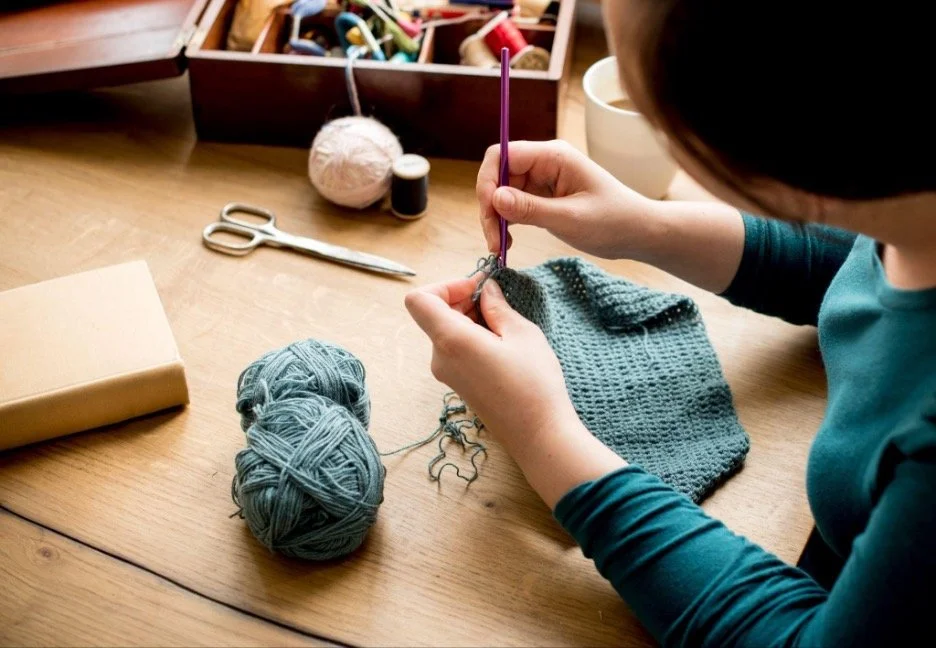
Photo via Freepik
Ever left a craft fair feeling like you barely made a profit despite having amazing products? You're not alone! Craft fairs are incredible opportunities, but success takes more than just showing up. This guide will help you master pricing, booth setup, and customer engagement so you can walk away with both profits and loyal customers.
Determining the Right Pricing Strategy
Setting a price that reflects your effort while remaining competitive is crucial. Begin by calculating all expenses, including materials, production time, vendor fees, and travel costs. Once you have a total, add a fair profit margin that compensates for your skills and creativity.
Clear, visible pricing prevents confusion and makes the shopping experience more straightforward. To encourage multiple purchases, consider offering discounts on bundled items or creating special event-only deals. Customers aren’t just buying a product; they are buying a piece of your creativity and skill! Price confidently. Undervaluing your work not only cuts your profit but it can also signal that your product may not be as high-quality as competitors’.
Designing a Booth That Draws Customers In
Your booth should tell a story the moment shoppers walk by. The right colors, lighting, and display choices can instantly set the tone, turning your space from just another vendor booth into an inviting, can’t-miss experience.
Using different heights, such as shelving or tiered stands, adds dimension to your display and prevents it from looking cluttered. Good lighting is also essential—whether natural or artificial, proper illumination enhances your products and makes them more appealing.
Demonstrating Your Craft to Engage Visitors
People are naturally drawn to live demonstrations, making them an excellent way to capture interest. Showcasing your creative process helps potential buyers appreciate the craftsmanship behind each piece and fosters a deeper connection between you and your audience.
If a live demo isn’t feasible, showcase your process in other ways—such as a step-by-step display, a short video, or a small interactive sample. Customers love feeling textures and seeing the craft up close. Giving visitors insight into your creative journey makes your brand more memorable and encourages them to support your work.
Creating Event-Exclusive Products to Drive Sales
Offering limited-edition or event-exclusive items can create a sense of urgency that encourages on-the-spot purchases. Customers love the idea of owning something unique, especially if it’s only available for a short time.
Before the event, promote your exclusive items through social media and email marketing to build anticipation. Highlighting the limited availability of these products can increase demand and attract more visitors to your booth.
Providing a Variety of Price Points
Reaching a broad audience means having products available at different price levels. While your signature pieces may be higher in cost, offering smaller, budget-friendly items ensures that everyone has an opportunity to buy something.
Affordable items such as postcards, stickers, or keychains allow first-time buyers to support your work without making a large investment. These smaller purchases can lead to repeat customers who return for higher-priced items in the future.
Making Checkout Fast and Simple
A streamlined payment process ensures that transactions go smoothly and efficiently. Accepting multiple payment options, including cash, credit cards, and digital wallets like Apple Pay or Google Pay, prevents lost sales due to limited payment methods. Shoppers at craft fairs often make impulse purchases. Don’t lose sales to long wait times! A fast and seamless checkout keeps customers happy and encourages them to buy more.
Before the fair, test your payment devices to avoid technical difficulties. Have sufficient change available for cash transactions, and organize packaging materials in advance to speed up checkout. A quick and hassle-free purchasing experience leaves customers with a positive impression, increasing the likelihood of repeat business.
Building Customer Relationships Through Personal Engagement
Customers appreciate connecting with the artists behind the products they love. Engaging in friendly conversations, sharing stories about your creative process, and explaining what makes your work unique can make shoppers feel more invested in their purchases.
Displaying a small sign with details about your craft, materials, and artistic journey can also be an effective way to build connections. When buyers feel personally connected to your work, they are more likely to support your business and recommend you to others.
Keeping in Touch with Customers After the Event
The relationships you build at a craft fair shouldn’t end when the event is over. Encouraging customers to stay connected via social media, email newsletters, or a website can help convert one-time buyers into loyal patrons.
Consider sending a follow-up email thanking attendees for their support and offering an exclusive discount for future purchases. Posting event highlights and customer interactions on social media can also keep your audience engaged and eager for your next event.
Enhancing Your Brand with Adobe Express
Standing out at a craft fair isn’t just about great products. It’s about great presentation. With Adobe Express, you can easily design custom price tags, social media promos, and eye-catching signage to enhance your booth without needing advanced design skills.
· Design customized price tags that align with your brand identity and make pricing clear and visually appealing.
· Create engaging social media graphics to promote your craft fair participation and attract potential buyers before and after the event.
· Generate sleek and professional invoices to give customers a seamless post-purchase experience.
· Produce well-designed banners, flyers, and business cards to reinforce brand recognition and encourage repeat customers.
Craft fairs aren’t just about selling products; they’re about growing your brand and making meaningful connections. A well-planned approach that includes strategic pricing, an inviting booth, live engagement, and seamless checkout can transform each event into a major success.
Beyond the fair, staying in touch with customers and investing in professional marketing ensures continued growth. With the right mix of preparation, creativity, and relationship-building, craft fairs can become a powerful tool for long-term business success.
Craft fairs are more than just selling products, they’re about creating connections, building your brand, and turning casual shoppers into loyal customers. With the right strategy, you can make each event a success while showcasing the creativity and craftsmanship behind your work.
A big thank you to Hazel from Adobe Express for sharing these valuable insights! If you’re looking to elevate your craft fair presence, Adobe Express makes it easy to create stunning marketing materials, price tags, and booth signage with professional-quality design tools.
Looking for unique crochet patterns that are perfect for craft fairs? Explore my collection of graph-based designs, including C2C, Mosaic, Bobble, and more!
What are your best craft fair tips? Drop them in the comments—I’d love to hear your experiences!
Affiliate Disclosure
Some of the links on this site are affiliate links. This means that if you click on a link and make a purchase, I may earn a small commission at no additional cost to you. I only promote products and services that I believe will add value to my audience. Thank you for supporting The Crochet Couch—your support helps keep this site running and allows me to continue sharing my love for crochet!